
Building your first home studio? You don’t need to drop thousands on gear. What you really need is honest sound, the kind that helps you make better mixing decisions even in a small or untreated room.
In this guide, we’ll cut through the noise and look at some of the best budget studio monitors available in 2025. These models deliver clarity, balance, and reliability without draining your wallet.
Why Studio Monitors Matter (Even on a Budget)
If you’re serious about mixing, you need to hear your music accurately. Regular speakers hype up the bass and sparkle, while studio monitors aim to reproduce sound as it really is. That’s how you know if your mix actually works, not just in your room but everywhere.
Still, monitors are only part of the story. Don’t rely on them alone. The car test is still the ultimate truth-teller for mix translation. And throw in a quick test on a small bluetooth speaker or your phone and you’ll instantly hear where your mix falls apart.
At the end of the day, the goal is to calibrate your ears. Learn how your main listening setup, whether headphones or monitors, translates to the real world. That’s why so many producers do A/B testing between their mix and a reference track.
How to Choose the Right Monitors
When you’re on a budget, focus on the essentials:
- Size matters: In small rooms, 3–5 inch monitors often sound better than 8 inch ones. Less low-end chaos, more clarity.
- Active vs. passive: Stick with active monitors since they have built-in amps and are plug-and-play.
- Room size: Bigger isn’t better. In untreated rooms, smaller near field monitors often give a more realistic stereo image.
- Frequency balance: Choose flat response over “punchy” marketing claims.
- Positioning: Always place monitors at ear level, forming an equal triangle with your head.
Pro Tip: I’ve used ISO Acoustics stands for years. They isolate the monitors from the desk and tighten the low end dramatically. It’s one of the best upgrades you can make for under $150.
The Best Budget Studio Monitors for 2025
1. PreSonus Eris E5 – The Best All-Rounder
These monitors deliver a balanced tone with a surprising amount of low-end for their size. The wide sweet spot makes them great for mixing and general listening alike.
Best for: Beginners or small studios wanting honest sound without harsh highs.
2. JBL 305P MkII – The Industry Standard
You’ll find these in countless home studios. They have excellent stereo imaging and a natural mid-range that makes them ideal for long mixing sessions.
Best for: Mixers who want proven reliability and clarity.
3. Mackie CR5-XBT – Best for Tight Spaces
I’ve used smaller Mackie monitors, the 3 inch version, in a tiny untreated room and they worked surprisingly well. Small nearfields can actually give you better results in these setups. Just don’t expect much bass, that’s where headphones like the Sennheiser HD600 come in handy for cross-checking your low end.
Best for: Bedroom producers or musicians with limited space.
4. ADAM Audio T5V – For Detail Lovers
ADAM’s entry-level line brings ribbon tweeters to the budget world, offering incredible detail and smooth highs without being fatiguing.
Best for: Mixers who want a bit more definition in vocals, guitars, and cymbals.
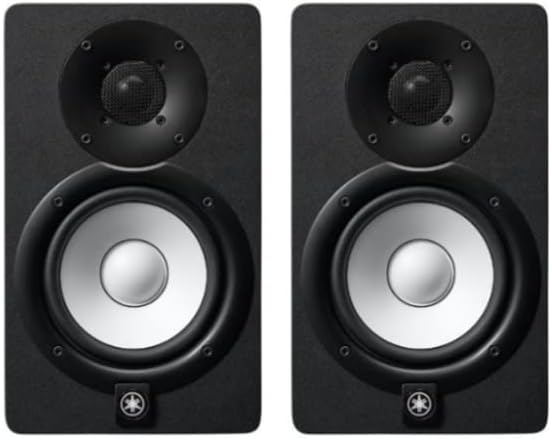
5.Yamaha HS5 – Bright but Honest
The Yamaha HS series is legendary for a reason. They’re sharp, analytical, and unforgiving. Personally, I found them a little too bright for my taste, but they’ll expose every flaw in your mix.
Best for: Producers who want a brutally honest mirror of their sound.
Honorable Mentions (Under $200)
- M-Audio BX4 – Compact, simple, and budget-friendly.
- Edifier MR4 – Great for beginners or content creators on a budget.
- Behringer Studio 50USB – Not glamorous, but they get the job done.
How to Get the Most Out of Your Monitors
Even the best speakers won’t help if your room sounds bad. Here’s what to do:
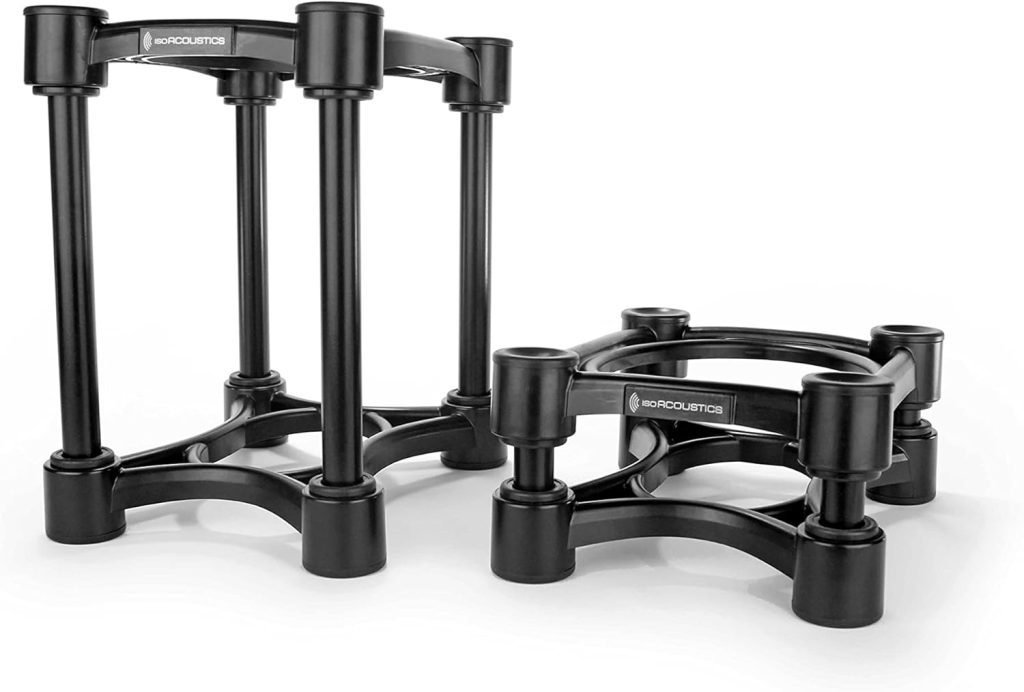
- Use isolation stands, like ISO Acoustics, to reduce vibration and tighten your sound.
- Avoid placing monitors against walls or in corners.
- Use reference tracks and keep a few translation checks ready: your car, your phone, and a small Bluetooth speaker.
- Listen at low volume most of the time. Your ears fatigue less and your mixes stay balanced.
- Learn to mix on headphones too.
Final Word
Don’t wait for the perfect gear. Start mixing now, learn your room, and trust your ears. Studio monitors are tools. Your job is to make them work for you.